Residential Pressure Washing Removing Algae and Moss From Brick Window Ledges on a North Royalton Home
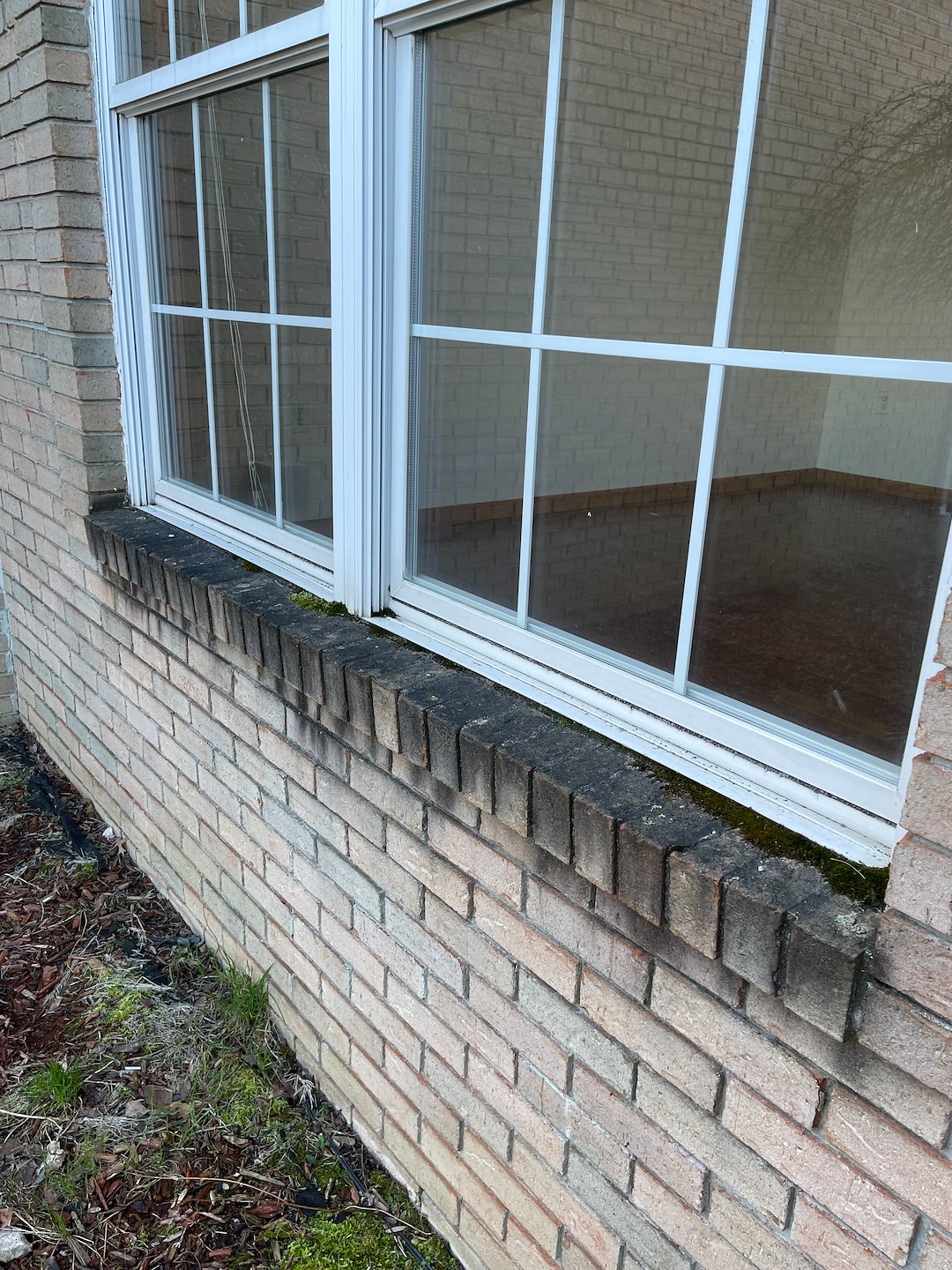
Homes throughout North Royalton frequently develop algae and moss on brick window ledges because these horizontal masonry surfaces trap moisture longer than other parts of the home. When rain, humidity, and shade combine, organic growth begins forming along the brick caps beneath windows and slowly spreads across the surrounding masonry.
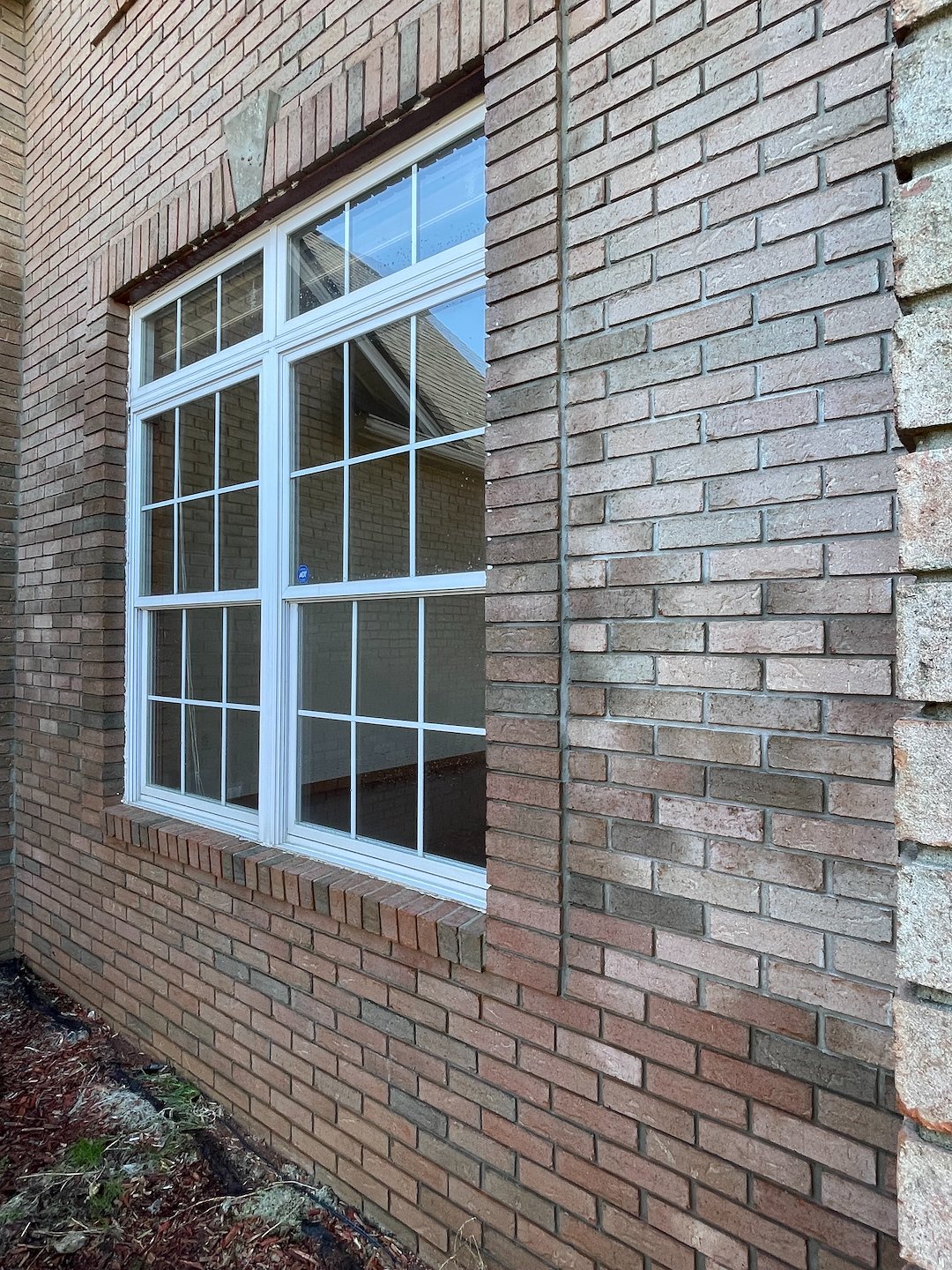
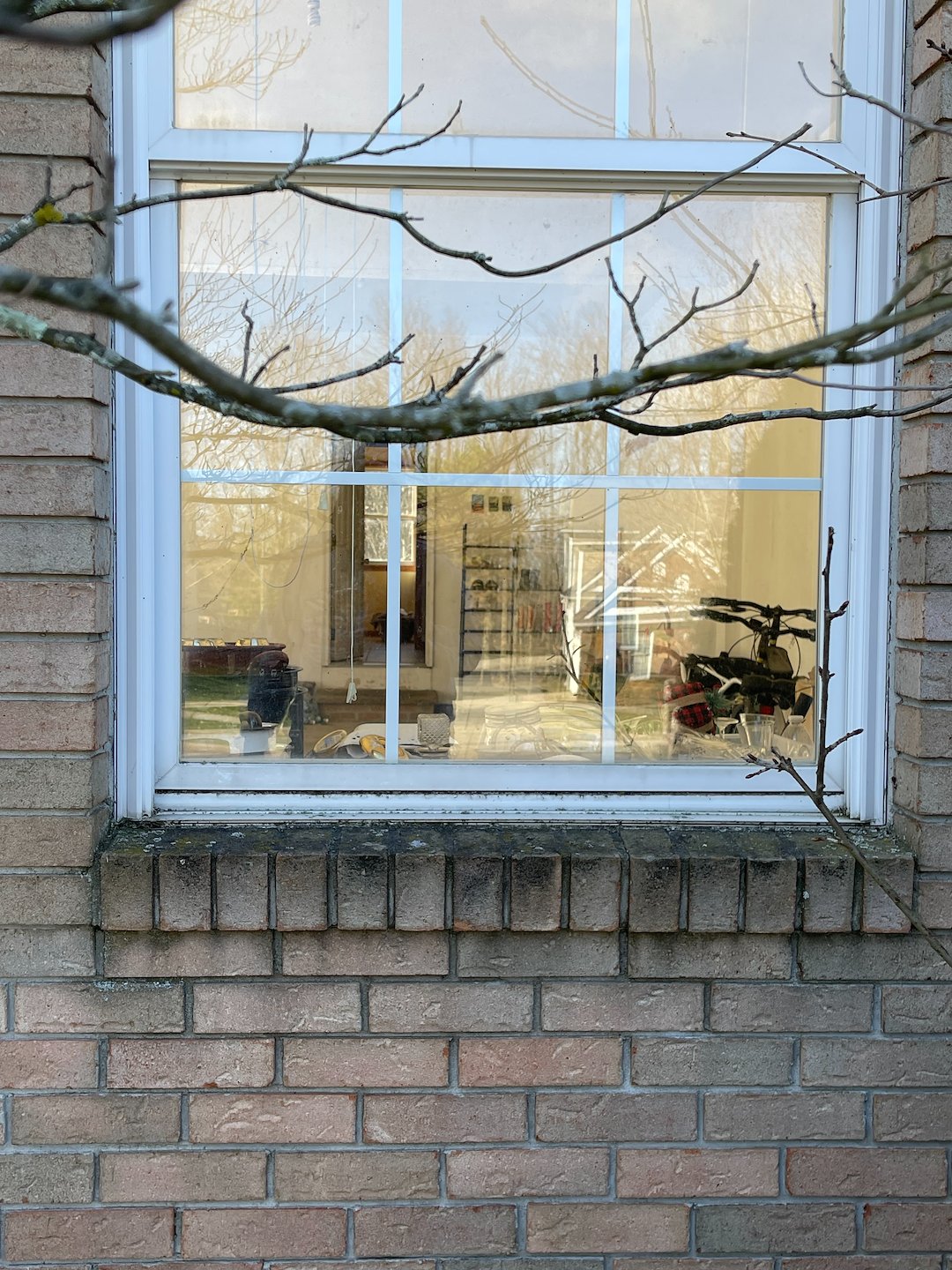
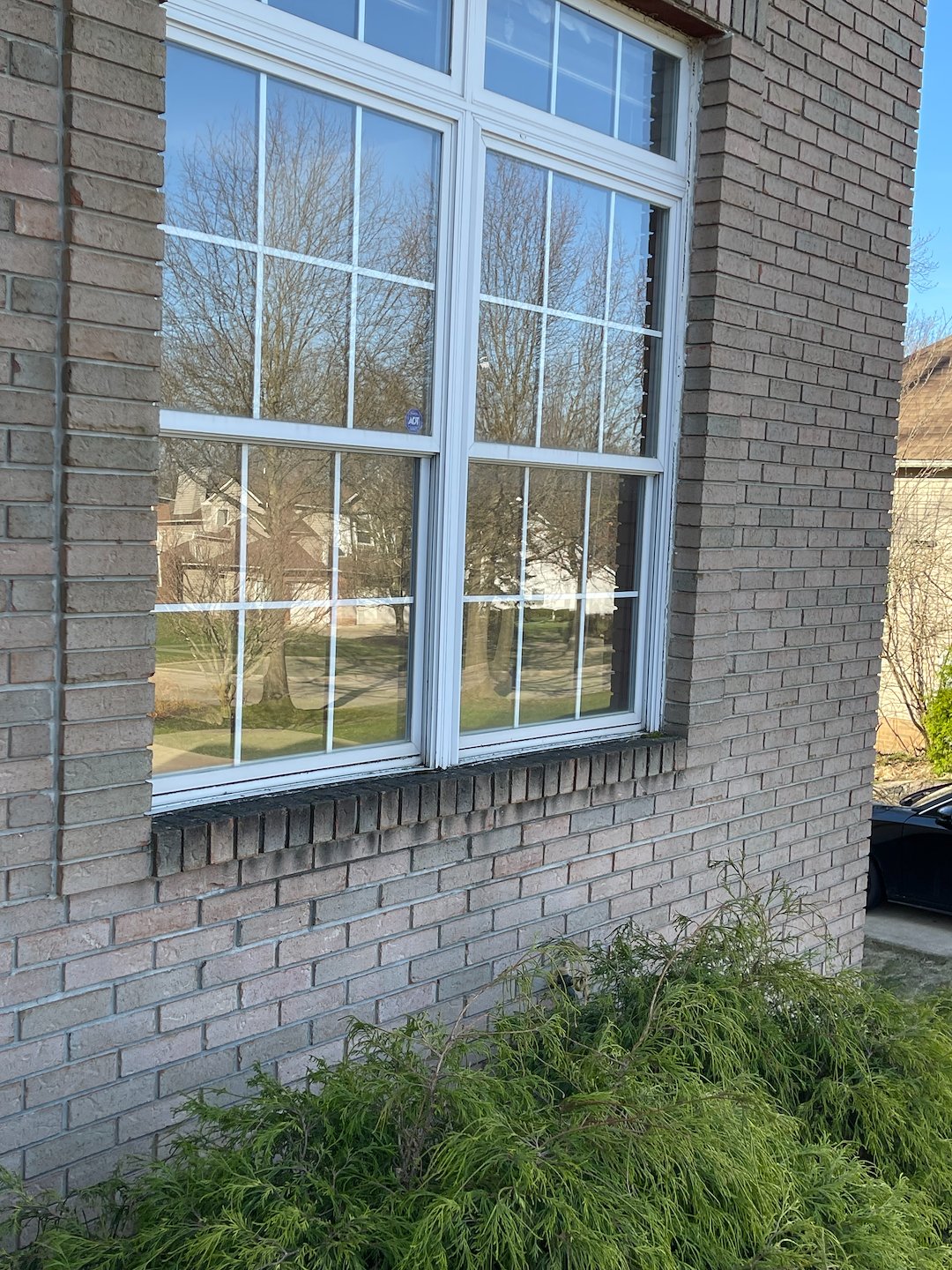
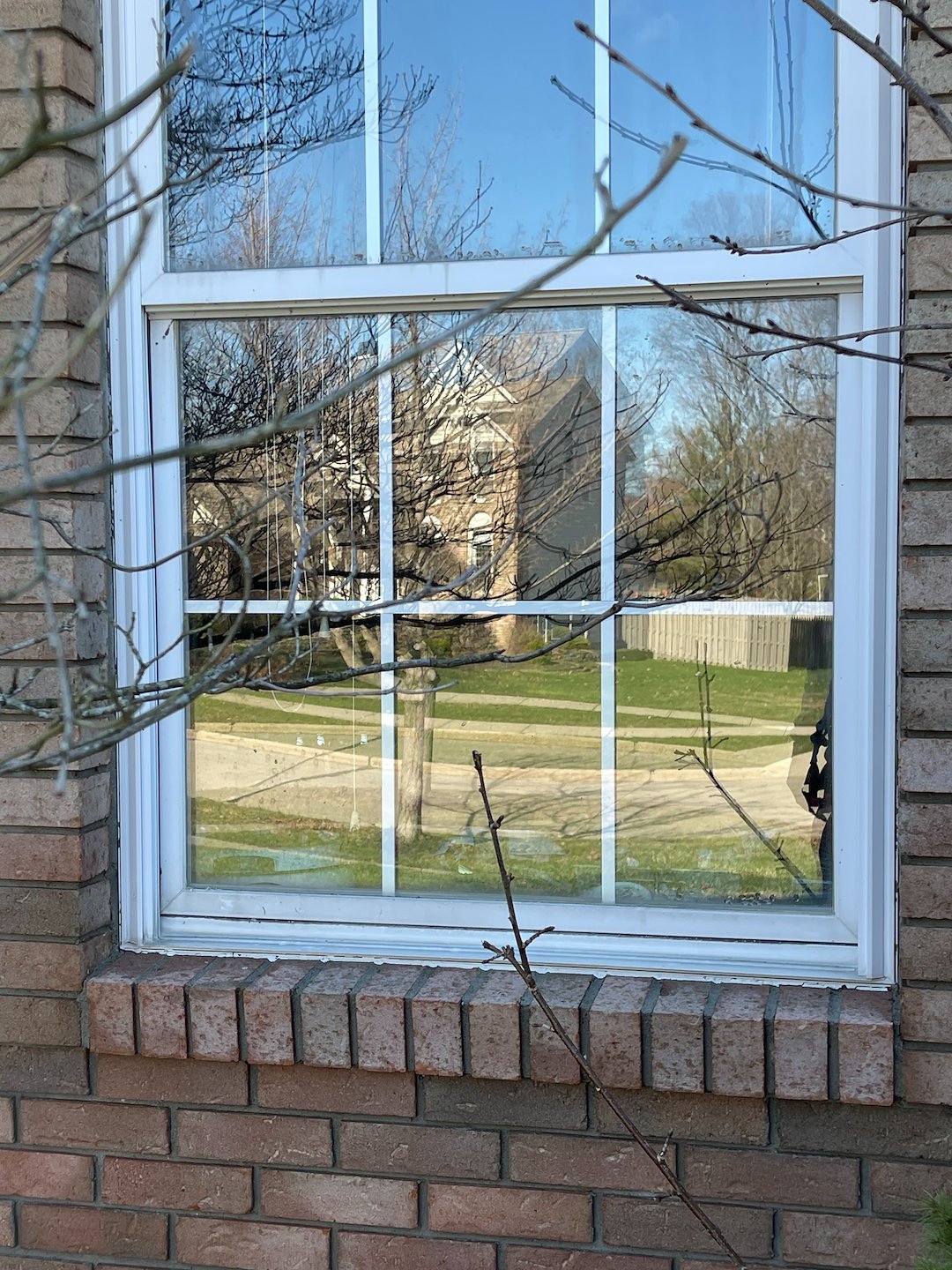
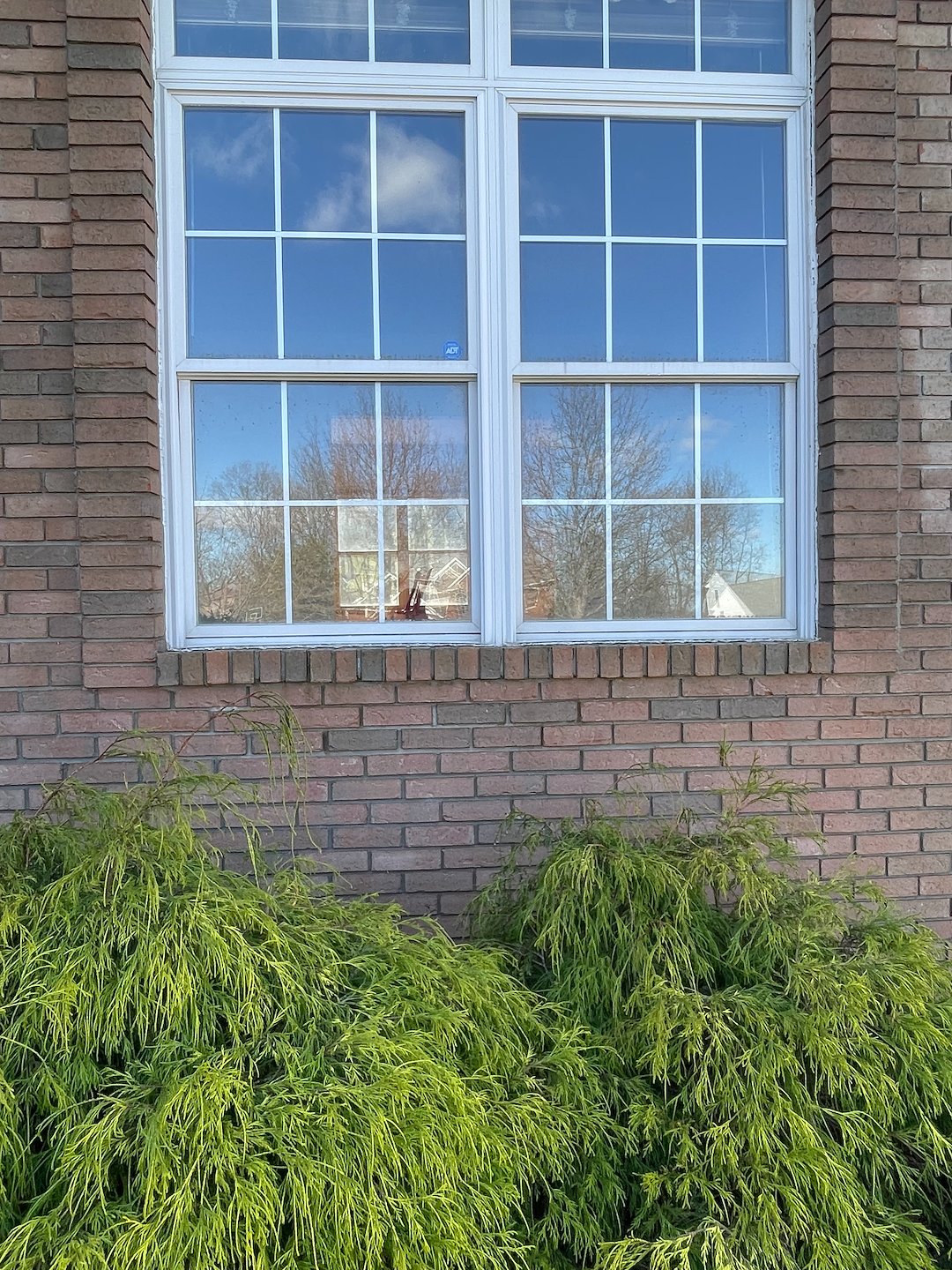
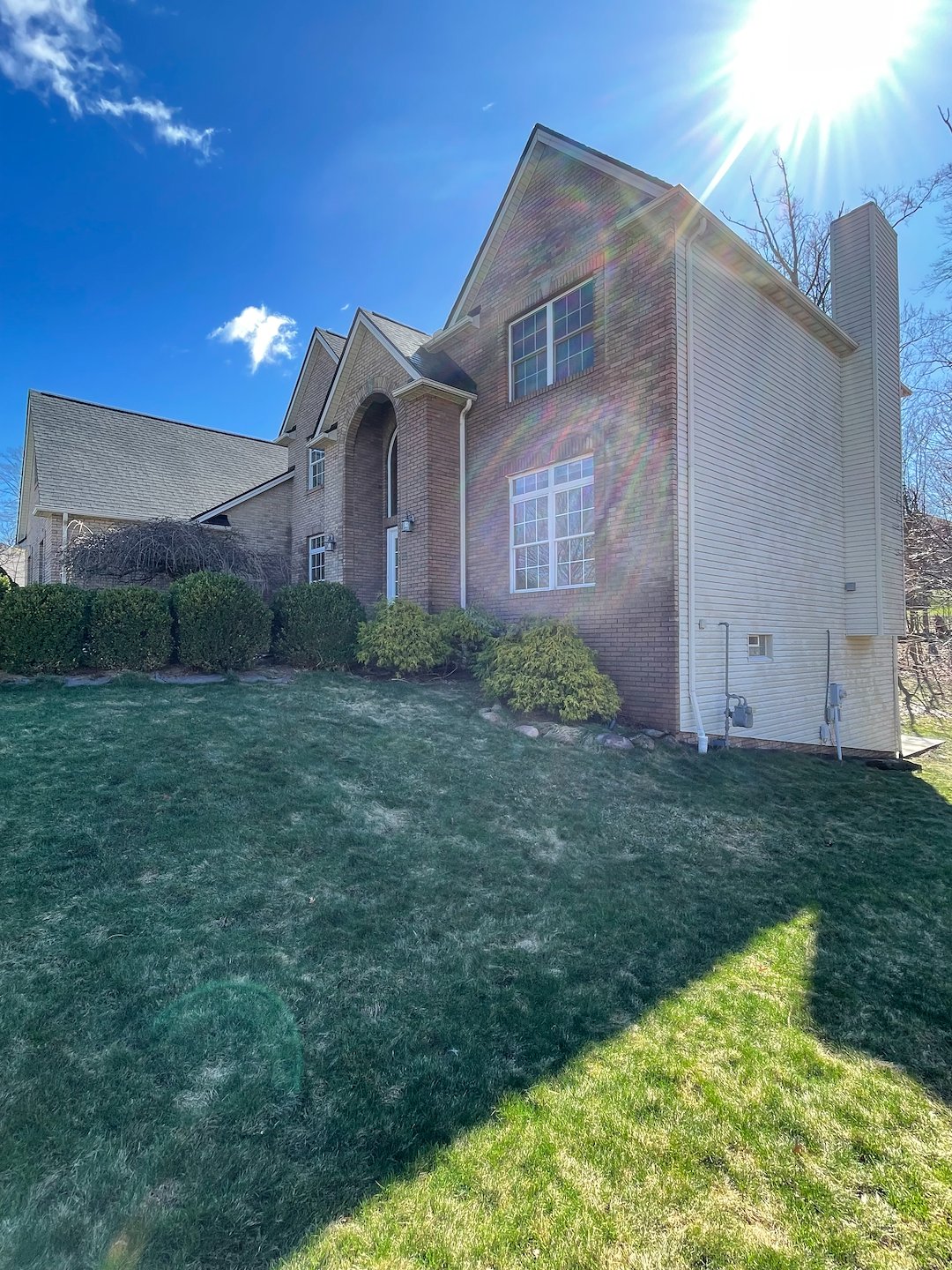
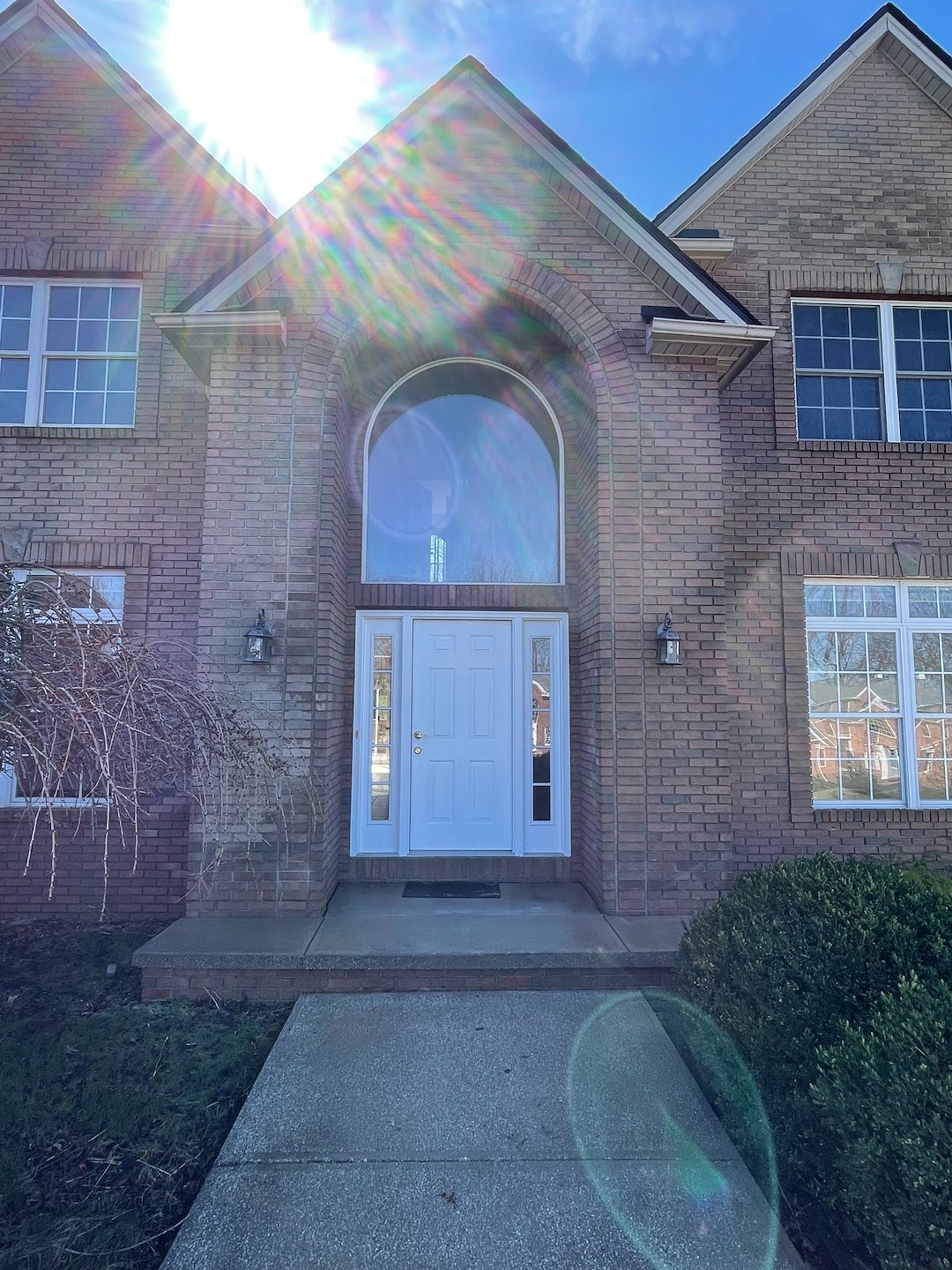
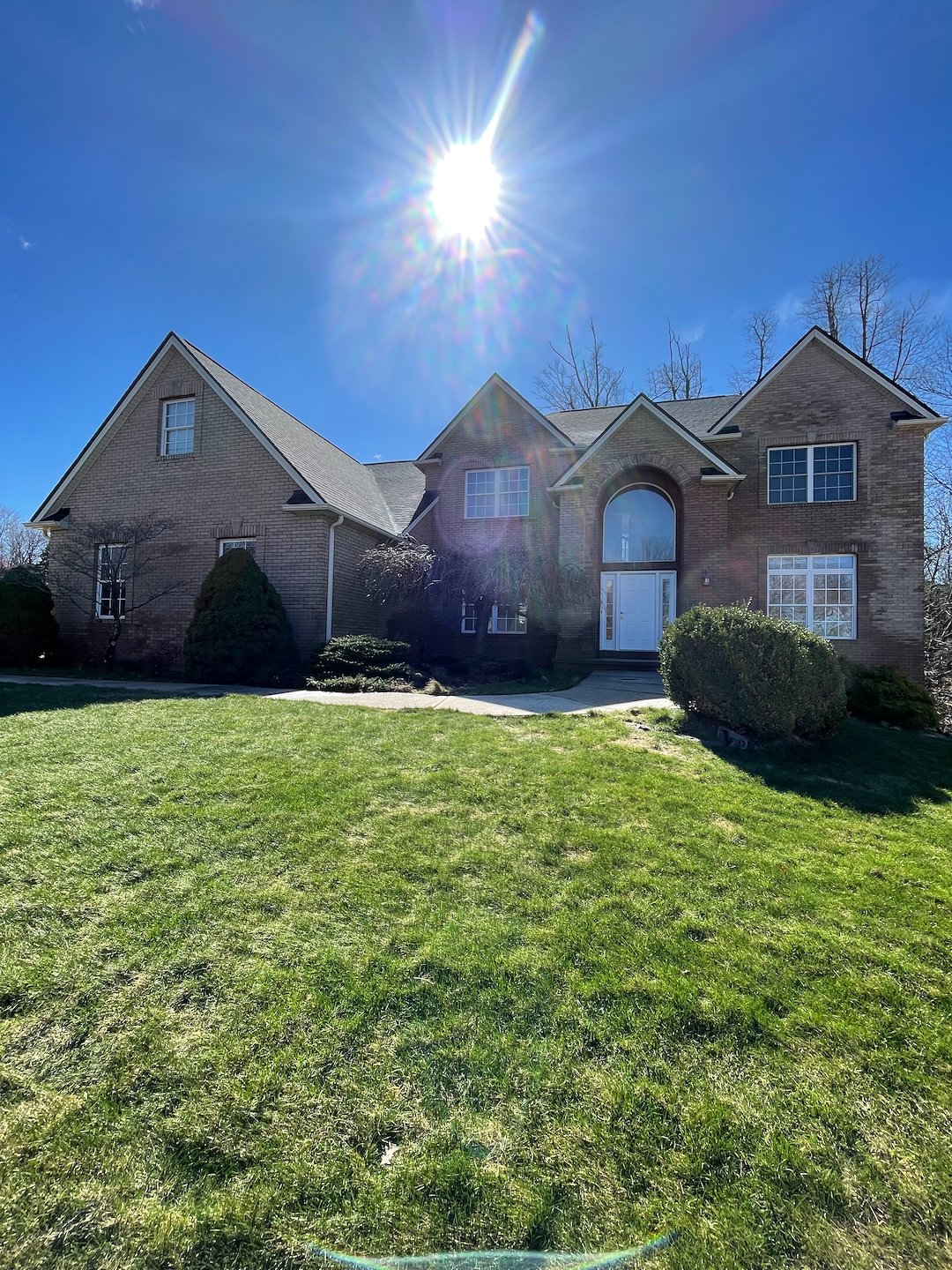
During this Residential Pressure Washing project, our team addressed visible algae buildup that had formed along several brick window ledges on the home. These areas had begun holding moisture and organic debris which allowed algae colonies and small moss patches to establish themselves along the brick surface.
This type of growth is extremely common across Northeast Ohio where long humid seasons, frequent rainfall, and shaded residential neighborhoods create ideal conditions for biological growth on exterior surfaces.
If left untreated, algae and moss will continue spreading across brick, siding, gutters, and other exterior materials.
Property Conditions Observed
During the exterior inspection we identified several conditions that are commonly seen on residential properties throughout the North Royalton area.
⢠Algae forming along the brick window ledges beneath several windows
⢠Moss beginning to establish itself where moisture remained trapped
⢠Organic staining beginning to move down the face of the brick
⢠Dirt accumulation inside mortar joints
⢠Early mildew development along nearby window trim
Brick surfaces are naturally porous which allows moisture to penetrate into the material. Once moisture becomes trapped inside the pores of the brick, algae and moss are able to anchor themselves to the surface.
Horizontal masonry areas like window ledges collect water and airborne debris much more easily than vertical brick walls which is why these areas often show the first signs of biological growth.
Residential Pressure Washing Cleaning Process
Step One
The brick window ledges and surrounding masonry were pre treated to neutralize algae and moss at the root level.
Step Two
Professional exterior cleaning solutions were applied and allowed to dwell so they could penetrate the pores of the brick where organic growth attaches.
Step Three
The surfaces were rinsed using controlled pressure to safely flush away contaminants, algae residue, and debris.
Step Four
A final rinse ensured the brick ledges, window trim, and surrounding exterior surfaces were completely cleaned.
Why Brick Window Ledges Grow Algae and Moss
Brick window ledges act like small shelves that hold rainwater and organic debris. When moisture sits on these surfaces long enough, algae begins forming along the brick.
If the area remains shaded, moss can begin developing shortly after. Moss grows aggressively because it anchors itself to masonry using root like structures that grip into the pores of brick.
Over time this growth spreads across the ledge and begins traveling down the face of the brick which leads to darker staining and heavier contamination.
Why Homes in North Royalton See This More Often
Many neighborhoods throughout North Royalton are surrounded by mature tree canopy and shaded residential lots. Shade combined with humidity creates ideal conditions for algae, moss, and mildew to develop on exterior surfaces.
Homes located near wooded areas or properties influenced by the surrounding green spaces of the Cleveland Metroparks system often experience faster organic growth cycles on siding, brick, and concrete surfaces.
Fun Facts About Brick and Organic Growth
Brick can absorb a surprising amount of moisture depending on its composition. Some types of masonry can absorb up to fifteen percent of their weight in water.
Because brick is porous, microscopic algae cells attach themselves inside the surface rather than simply sitting on top of it.
Moss grows using tiny root like structures called rhizoids that grip into microscopic pores within masonry.
Homes with elevations facing north typically experience more biological growth because those sides of the house receive less sunlight throughout the year.
Horizontal masonry features like brick window ledges, brick caps, and retaining walls are often the first places where algae and moss begin developing.
Location: Akron, OH
Project Image Gallery

Wash Away the Grime With Proven Pressure Washing Experts
Contact Us Today!